
6 minute read
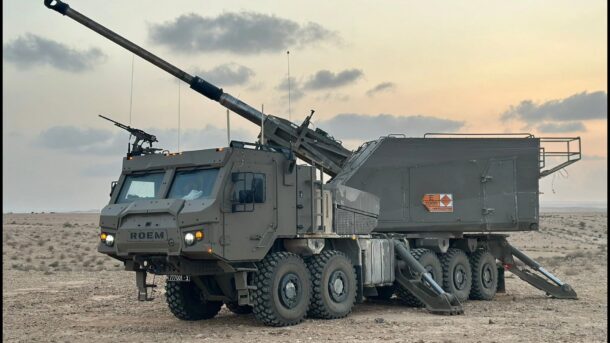
TL;DR: The Army is weeks away, on paper, from picking the builder of its next self-propelled howitzer. The competition is called the Mobile Tactical Cannon, the prize runs to roughly 500 guns by FY28, and five teams are in the fight. My read: Elbit America’s Team SIGMA, now backed by Anduril and Oshkosh, has the strongest hand. Here is the case, and the honest counterweights.
First, the disclosure that matters: this is my read of public reporting, nothing more. I have no involvement in this source selection and no inside information. Predictions about active competitions are exactly that: predictions.
What the Mobile Tactical Cannon Actually Is
The program of record is Self-Propelled Howitzer Modernization, or SPH-M. The competition under it is the Mobile Tactical Cannon, run out of Army Contracting Command at Detroit Arsenal. It exists because the Extended Range Cannon Artillery program died in April 2024 when prototyping revealed the gun tubes were wearing out at unacceptably low round counts. By the Congressional Research Service’s count, this is the Army’s fourth attempt at fielding a new self-propelled howitzer.
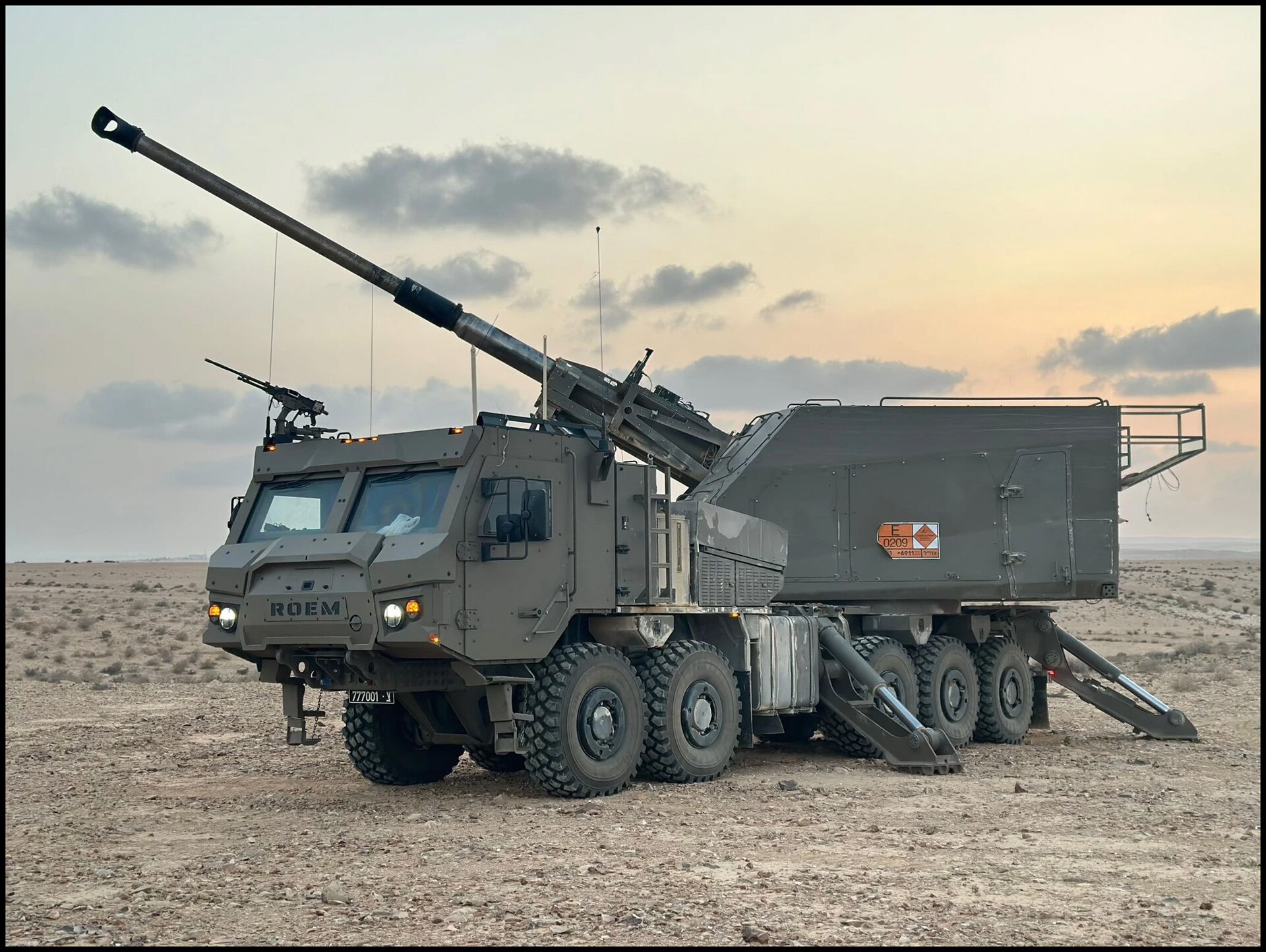
The requirement this time is refreshingly concrete: a wheeled chassis, a 155mm cannon between 49 and 56 calibers, protection comparable to or exceeding the tracked M109A7 Paladin while riding on wheels, full compatibility with the US ammunition stockpile including Excalibur and the new extended range rounds, and integration with Army fires networks. The guns go first to Stryker brigades to replace towed M777s, then to Mobile and Infantry brigades. Total requirement: roughly 500 systems.
One more requirement deserves bold print: production, supply chain, and final assembly must transition to the United States within two years of award, ramping from 24 systems a year to 48. Keep that one in mind. It decides my argument.
The Timeline: Award Watch
- September 2025: request for information
- March 2026: final request for prototype proposals, solicitation W912CH26RA017
- April 23, 2026: proposals due
- July 2026: the Army’s stated target for a single vendor prototype award. As I write this on July 2, no award has been announced
- After award: six prototypes, the first within 60 days, the rest within 360 days
- FY2028: production contract for up to 500 systems
Inside Defense reaffirmed the July target in reporting published July 2, the day I wrote this. Two cautions on that schedule. The competition already slipped about a year under the Army Transformation Initiative, so July is a target, not a promise. And the July decision is a prototype award, not the end state: reporting points to a final objective system selection in late FY2027 with soldier evaluations to follow. Still, the prototype winner gets the pole position, the production learning curve, and the momentum. In a program with this history, momentum is everything.
The Field
Five teams answered the Army’s call, and all five brought real hardware. Elbit America leads Team SIGMA with Anduril and Oshkosh Defense. Hanwha Defense USA brings the K9 family, including a purpose-built wheeled variant. American Rheinmetall offers the RCH 155 on the Boxer chassis. BAE Systems, the Paladin incumbent, is in the fight. And a General Dynamics and KNDS-Leonardo lineup rounds out the field.
This is the strongest field the Army has assembled for an artillery competition in decades. Nobody wins this by default.
Why I Like Elbit’s Chances
Start with Elbit America’s own footage: the system, and the American production line behind it.
One: the factory already exists. Remember the two year domestic production mandate. Elbit America builds the SIGMA today at its North Charleston, South Carolina facility, opened in 2023, and completed its first US-built SIGMA NG at the end of December 2025. Every other competitor must stand up or convert US production after award. The Army wrote as-built production unit cost and delivery schedule into the evaluation criteria, and those criteria reward the bidder who can show a running line rather than describe a future one.
Two: the requirement reads like the SIGMA spec sheet. Wheeled chassis: the team rides on an Oshkosh 10×10. Cannon between 49 and 56 calibers: SIGMA is a 52 caliber gun. Automation with a small protected crew, US ammunition compatibility, network integration: all present. When a solicitation and a product line up this cleanly, it usually means the vendor did its homework during the demonstration phase, and Elbit was one of the five vendors the Army paid to demonstrate back in late 2024.
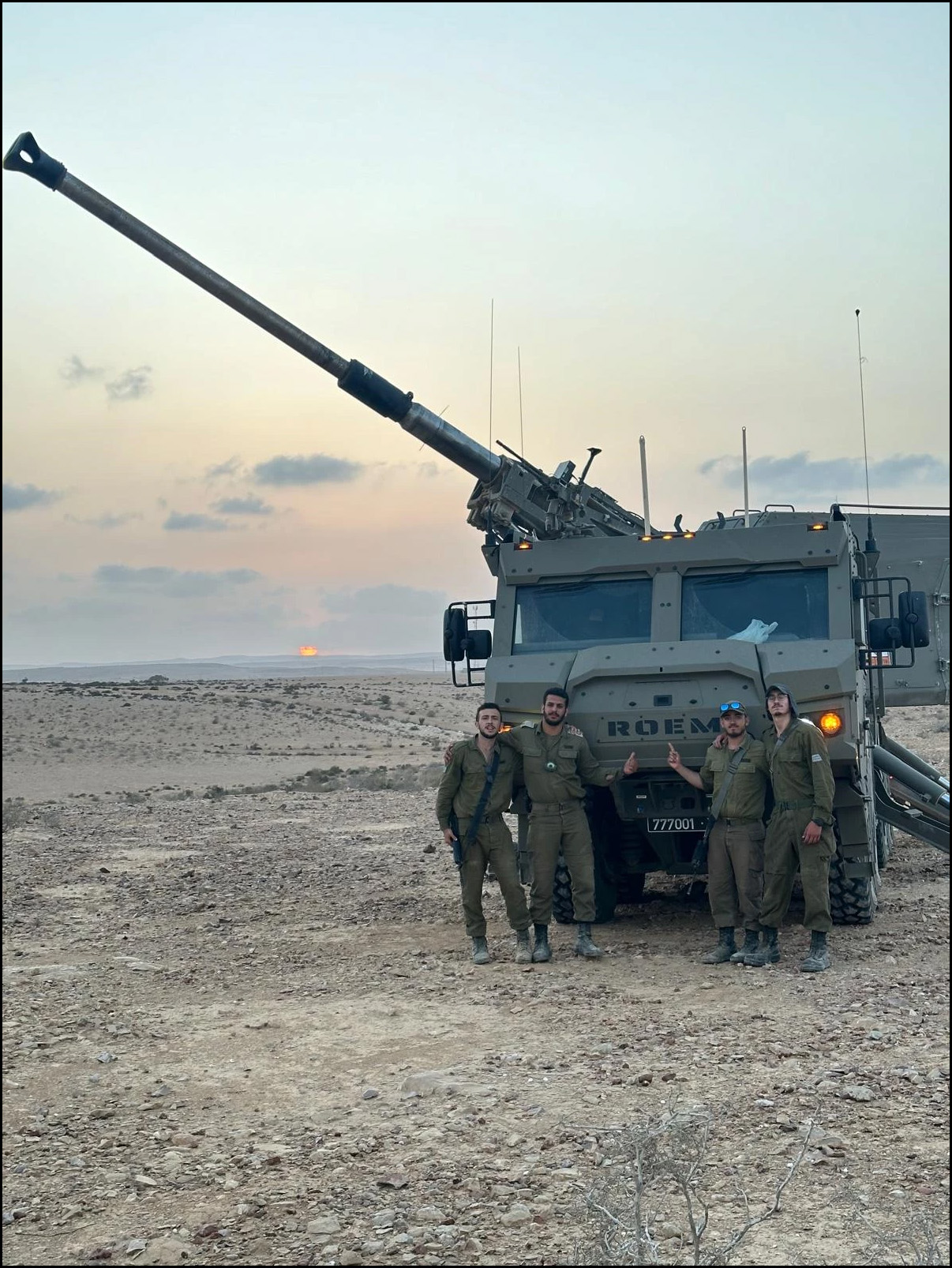
Three: the gun is not a paper design. Per Army Recognition’s reporting, the Israel Defense Forces accepted their first SIGMA systems in December 2025 and ran initial combat missions with them this spring. The predecessor ATMOS serves in about a dozen countries, including NATO member Denmark. Combat employment before a US award decision is a card almost nobody else at this table can play.
Four: the Anduril move closed the gap. The one soft spot in an Israeli-lineage bid was always the US-native software and C2 story. In early June, weeks before the target award date, Anduril joined Team SIGMA to provide C5ISR, edge compute, and eventually Lattice integration. Pair that with the Army’s current software-first transformation mood, and the team suddenly looks assembled for exactly this moment.
The Honest Counterweights
A fair read requires the other side of the ledger. Hanwha is the scale player: the K9 family holds roughly half the global 155mm self-propelled howitzer market, with well over a thousand guns fielded across ten countries and a wheeled K9MH already in production with a longer 58 caliber tube. If the Army buys on global industrial mass, Hanwha wins the argument. Rheinmetall’s RCH 155 is the automation benchmark, firing on the move with a crew as small as two, and it just landed a major German order. BAE is the incumbent with the lowest transition risk. And even Elbit’s American-made story has a wrinkle: reporting indicates SIGMA barrels are forged in the US but finished in Israel before returning to South Carolina, a supply chain detail competitors will happily point at.
Any of these teams can win. My argument is simply that when you score the field against what the Army actually wrote down, technical maturity, US production reality, delivery schedule, and as-built cost, Team SIGMA holds more of the high cards than anyone else.
What to Watch
- The announcement itself: the Army said July. Every week of silence past July raises the odds of another Transformation Initiative slip.
- The 60 day clock: the winner owes its first prototype within 60 days of award. That favors whoever has hardware staged, which is the quiet tell in this whole competition.
- The FY2027 objective decision: the prototype award is round one. The winner still has to survive soldier evaluations to reach the 500 gun production deal.
The Army has failed at this three times. The fourth attempt finally looks structured to reward what exists over what is promised. That is the real reason I like Elbit’s chances, and it would be a healthy precedent for Army acquisition regardless of whose name is on the award.

Exploring ideas and challenging assumptions about defense technology, one post at a time.